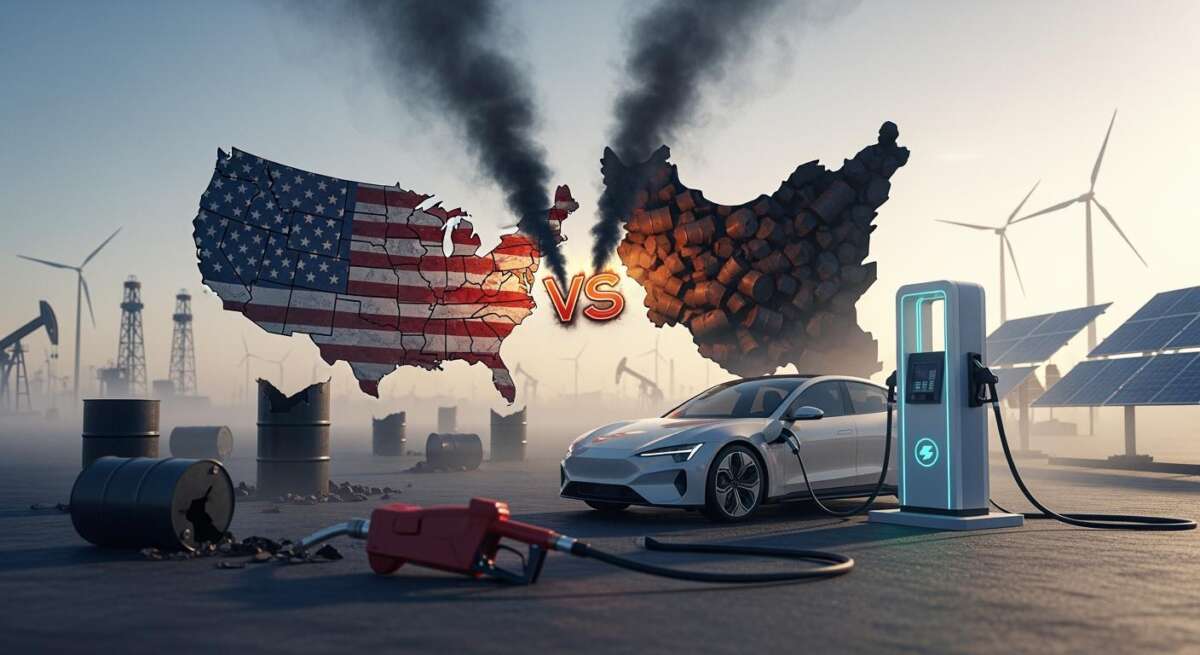
You can see how the us–iran war can mess up oil supply. This can cause an energy crisis. Gasoline prices get high and make you think about electric vehicles for daily use. Ipsos surveys show that when fuel costs go up, people look for other options like evs. During the iran war and other fights, gasoline prices went up fast. This made many people switch to electric choices. The table below shows how past oil problems made people more interested in cleaner energy:
Event | Oil Price Change (USD) | Time Period | Impact on EV Adoption |
|---|---|---|---|
Gulf War (1990) | $21 to $46 | July to October 1990 | More people wanted cleaner energy |
Russia-Ukraine Conflict | $89.52 to $121.17 | Jan to Jun 2022 | Energy costs went up, changing the EV market |
Key Takeaways
When gas prices go up during wars, people may look at electric vehicles (EVs) to save money.
EVs cost less for fuel and fixing, so they are a good choice when oil prices are high.
Governments help people buy EVs by giving tax credits and building charging stations. This makes it easier for people to get EVs.
Picking EVs helps keep energy safe by using less imported oil. This is good for people and countries.
Using EVs makes the air cleaner and helps the environment. It also helps move toward using renewable energy.
US–Iran War and Oil Supply Disruptions
Strait of Hormuz and Global Oil Markets
You may not realize how much the world depends on one narrow waterway for energy. The Strait of Hormuz sits between Iran and Oman. About 20% of all global oil and natural gas supplies pass through this strait. Every day, around 15–20 million barrels of crude oil move through Hormuz. This makes the area one of the most important energy routes on the planet.
During the us–iran war, the strait becomes very vulnerable. Even a small conflict can cause big problems for the global oil market. If the iran war leads to attacks or blockades, ships cannot pass safely. This can stop oil exports and create a global oil shock. You will see prices rise quickly, and countries that rely on these shipments will feel the effects first.
Note: When shipping through the Strait of Hormuz stopped after missile attacks in the past, oil prices jumped by 13%. This shows how sensitive the market is to any trouble in this region.
Disruptions in Hormuz do not just affect oil. They also hit industries that need energy, like car manufacturing. When oil stops moving, factories may slow down or stop. This can lead to fewer cars and higher prices for many products.
Gasoline Price Surge and Consumer Impact
You will notice the effects of the us–iran war at the gas station. When oil supply drops, high gasoline prices follow. Even a small change in oil flow can make gas prices jump overnight. For example, if crude oil prices rise from $80 to $100 per barrel, you could see gasoline prices go from 136p to 150p per liter.
Oil Price (per barrel) | Projected Gasoline Price (per litre) |
|---|---|
$80 | 136p |
$90 | 140p |
$100 | 150p |
In the United States, you might pay 10 to 30 cents more per gallon. Some gas stations could raise prices by as much as 85 cents. These increases hit your wallet and change how you think about driving.
You may start to look for ways to save money.
Many people consider switching to electric vehicles or hybrids.
High gasoline prices make you think about energy choices for your family.
The iran war does not just affect people in the Middle East. It sends shockwaves through the world. Gas prices rise everywhere, and families feel the pressure. You see why energy security matters and why many people want to find new solutions.
EVs as a Response to Oil Volatility
Economic Benefits of EV Adoption
You notice oil shocks when you buy gas. If the iran war threatens the strait of hormuz, oil prices can go up fast. High gas prices make you want better choices. EVs help you save money in many ways.
Lower Fuel Costs: Charging an EV costs less than buying gas, especially when oil prices rise.
Reduced Maintenance Expenses: EVs have fewer parts, so you pay less for repairs.
Insulation from Oil Price Volatility: You do not worry about sudden fuel price jumps. Your costs stay steady.
Governments help people switch to EVs. Many countries give up to $7,500 for buying EVs. Billions are spent to build 500,000 charging stations by 2030. Some places plan to stop selling most gasoline cars. These steps make it easier for you to choose electric vehicles.
Here is a simple table showing how EVs compare to gasoline cars:
Aspect | Electric Vehicles (EVs) | Gasoline Vehicles |
|---|---|---|
$1,000+ | N/A | |
Charging Method | Home Charging | N/A |
Typical Mileage | 12,000–15,000 miles | N/A |
Cost Advantage Over 5 Years | Thousands of dollars | N/A |
Switching to an EV can save you thousands in five years. You also get to charge your car at home.
Energy Security and Independence
When the us–iran war or other risks threaten oil supply, energy security matters more. The strait of hormuz is a key route for oil. Any trouble there can cause a global oil shock. Choosing EVs helps your country use less imported oil. This makes your nation stronger and safer.
Finding | Description |
|---|---|
New Energy Vehicle Penetration improves national energy security a lot. | |
Developing vs Developed | NEVP helps energy security more in developing countries than in developed ones. |
Hybrid vs Battery | Hybrid Energy Vehicles boost energy security more than Battery Electric Vehicles. |
Countries change their energy plans during risky times. In Africa, electric motorcycles and delivery fleets use less petrol. Higher fuel costs make EVs more popular. You get steady expenses with EVs. More solar power helps build charging stations for EVs. This clean energy shift keeps your community stable during uncertain times.
Environmental Impact and Clean Energy Shift
You want cleaner air and a healthy place for your family. EVs help you reach this goal, especially when oil supply is unstable from the iran war or other events. Switching to EVs makes air cleaner. You also help lower pollution-related sickness in your city.
Using EVs leads to better air quality.
You see fewer cases of breathing and heart problems.
Your community gets cleaner, safer air.
Electric vehicles have zero tailpipe emissions. This means you do not add to city air pollution when you drive. Even when you count the energy used to make and charge EVs, they still make less pollution than gasoline cars over time.
When oil supply drops and fuel prices rise, you may pick EVs instead of regular cars. This lowers carbon emissions, especially as more renewables are used. Risks from conflict can speed up the clean energy shift. This helps you and others move away from fossil fuels.
Policy and Market Acceleration for EVs
Government Incentives and Policy Changes
Governments act fast when oil supply is at risk. Leaders want to keep energy safe and help you find better choices. Many countries make rules to speed up electric vehicle adoption. Norway gives you tax breaks if you buy an electric car. You also get money back to make owning an EV cheaper. Governments build charging stations so you can charge your car easily. Some places give free parking, lower tolls, and let EVs use bus lanes.
Big countries set goals for selling more electric cars. The United States wants half of new cars to be electric by 2030. China wants 40% of new cars to be electric by 2030. These goals help you see more EVs on the road. When oil prices rise during conflict, these rules help keep your costs steady and support clean energy.
Automotive Supply Chain Disruptions
Making electric vehicles needs a lot of parts from different places. Car companies use just-in-time manufacturing, which works best when things go smoothly. During the us–iran war, fighting can mess up shipping and raise energy costs. This makes it harder to get battery materials like lithium, cobalt, and nickel. China makes most batteries, so shipping problems or tariffs can slow things down.
Battery materials need lots of energy to mine and process.
Shipping gets more expensive when fuel prices go up.
Most battery parts come from a few countries, so any conflict or disaster can cause delays.
Car makers must plan for these risks. If costs rise, you may pay more for electric vehicles. Sometimes, there are not enough minerals, so it is harder to find the EV you want.
Global Trends in EV Adoption
Global trends in electric vehicle adoption change quickly when oil prices spike and there is trouble in the world. The International Energy Agency says EVs could replace over 5 million barrels of oil each day by 2030. By 2040, this could reach 20 million barrels. As more people pick EVs, countries like China and the United States gain more power. Oil-dependent nations may lose some influence.
EV sales grow fast in China, Europe, and the U.S. High oil prices and energy worries make more people switch. Some places have problems like electricity shortages, which slow down adoption. Reliable energy and strong rules help your community move toward a cleaner, safer future.
Practical Considerations for Consumers
Cost Comparison: Gasoline vs. EVs
You might ask how much money you can save with an EV. When oil prices go up, EVs become cheaper to use. Charging an EV costs less than buying gas. EVs need less maintenance because they have fewer parts. You do not need oil changes with EVs. The table below shows the cost differences:
Vehicle Type | Cost per Mile | Maintenance Costs | Oil Change Requirement |
|---|---|---|---|
Gasoline Vehicles | Higher | Higher | Required |
Electric Vehicles | Lower | Lower | Not Required |
Electricity is usually cheaper than gasoline. EV drivers do not worry about oil price spikes as much. You get steady costs with EVs.
Charging Infrastructure and Accessibility
You need to know where you can charge your EV. Some people in cities cannot charge at home. About one-third of UK drivers cannot charge at home. More than 33% of people find public charging hard. Reliable electricity is important for charging your EV. Power outages can make it tough to keep your EV ready.
Charging Options | Percentage of UK Drivers |
|---|---|
No way to charge at home | ~33% |
Tip: Look for charging stations near your home, work, or school before buying an EV.
Long-Term Benefits of EV Ownership
Owning an EV gives you many long-term benefits. You save money on fuel and maintenance every year. You can save about $1,200 in fuel costs each year. EVs help you avoid sudden fuel price jumps. You do not need oil changes, so maintenance costs are lower. The table below shows your savings:
Evidence Type | Details |
|---|---|
Fuel Savings | Save 8.1 cents per mile compared to gasoline |
Maintenance Savings | Save 3 cents per mile compared to gasoline |
Annual Savings | About $1,200 in fuel costs per year |
EVs help you use local power like solar or wind. This lowers your need for imported oil. Your community stays strong during global conflicts.
You can see how the iran war can make gas cost more. Oil supply can get messed up too. This makes electric vehicles look better for daily use.
The fighting in the Middle East will likely make petrol prices go up a lot. This could make people think about electric vehicles. They may see EVs as cheaper than regular petrol or diesel cars.
When you pick EVs, you save money and help the planet. You also make energy safer for everyone.
Electric vehicles cut down on pollution and help clean energy grow.
Many countries are moving faster to use more electric vehicles because of world problems.
You can start by finding out about local deals for EVs. Check where you can charge your car. Compare how much it costs to own an EV. This helps you get ready for a safer and cleaner future.
FAQ
What happens to gas prices if the US–Iran war gets worse?
You will likely see gas prices rise quickly. The war can block oil shipments. This makes oil harder to get. Gas stations may charge more for fuel.
Why do high gas prices make electric vehicles more popular?
You want to save money when gas costs more. Electric vehicles use electricity, not gasoline. You pay less to drive each mile. Many people switch to EVs during oil price spikes.
Can you charge an EV during a power outage?
You cannot charge your EV if the power goes out. Some charging stations have backup power. You should plan ahead and keep your battery charged.
How do governments help you buy an electric vehicle?
Many governments give you tax credits or rebates. You may get money back when you buy an EV. Some places offer free parking or let you use special lanes.
See Also
Exploring Investment Opportunities in Southeast Asia’s EV Sector