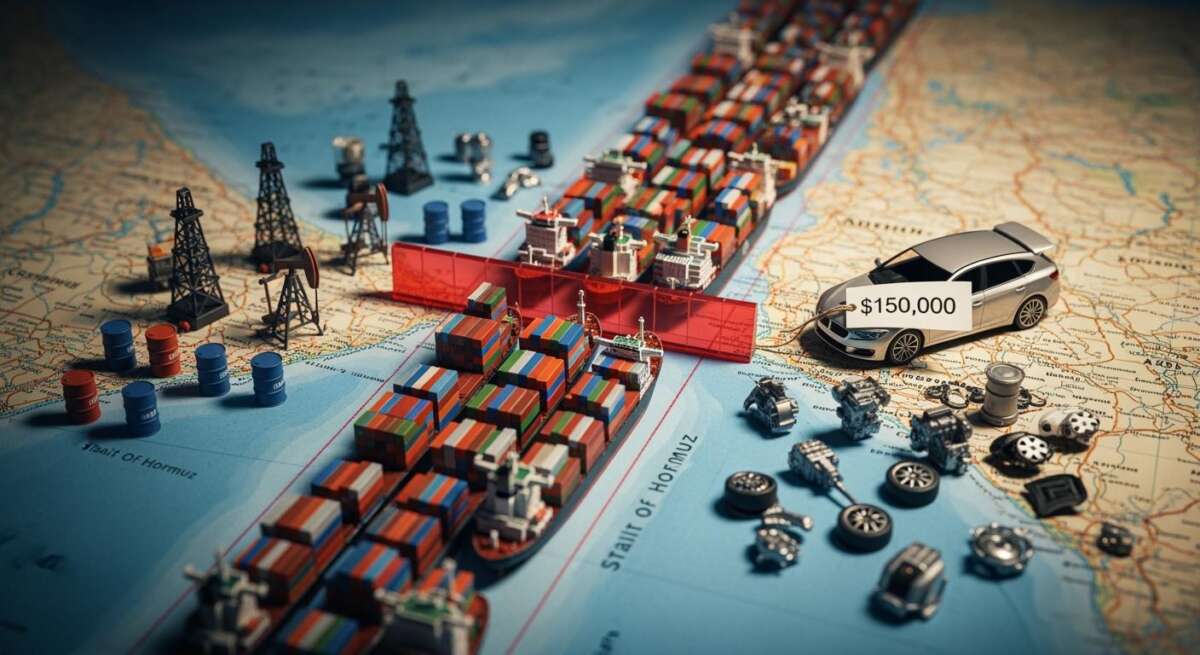
If Iran Blocks Strait, your next car could cost you thousands more. The strait of hormuz moves about 20% of the world’s daily oil supply. You depend on this oil for gasoline and for car manufacturing. When oil prices jump, car makers pay more to ship parts and build vehicles. Gas prices in the U.S. can rise fast—sometimes by 18 cents in just two days. If oil prices surge, you could see gasoline near $5 per gallon.
Key Takeaways
The Strait of Hormuz is very important for oil. It handles about 20% of the world’s oil. If it gets blocked, gas and car prices can go up fast.
When oil prices go up, making cars costs more. Car makers may charge buyers more money. This means new and used cars cost more.
If countries start fighting, oil prices can get very high. Oil could cost $100 for each barrel or more. Gas prices in the U.S. could reach $5 for each gallon.
To avoid paying more for cars, think about buying soon. Prices will probably keep going up because of tariffs and supply problems.
Keep learning about world news and oil supply changes. Knowing this helps you choose the best time and type of car to buy.
Why the Strait of Hormuz Matters
Global Oil Supply and the Strait
You may not realize how much the world depends on the strait of hormuz. This narrow waterway connects the Persian Gulf to the rest of the world. Every day, about 20 million barrels of oil travel through this passage. That is nearly 20% of the world’s oil supply. The strait of hormuz is one of the most important shipping routes for energy. If something blocks this route, countries like China, India, Japan, and South Korea would feel the impact first. Most of the oil shipped through here goes to Asia, but the effects reach everywhere.
If the strait closes, oil prices can jump overnight. This change does not just affect gas stations. It can shake the entire global economy. Even if you live far from the Middle East, you will see higher prices for many goods, including cars.
The strait handles both oil and liquefied natural gas shipments.
Disruptions can cause a ripple effect, raising costs for energy and products worldwide.
Geopolitical tensions in this area make it a constant concern for global energy security.
Impact on Car Manufacturing Costs
When oil prices rise, car makers feel the pressure right away. Energy costs make up a big part of building a car. The automobile industry uses about one-third of all primary energy. If oil prices spike, the cost to run factories and ship parts goes up fast. Market experts say that during long disruptions, the price of materials made from oil can rise by 15–25%. This means automakers must spend millions more to build the same number of cars.
Higher oil prices increase the cost of shipping vehicles and parts.
The manufacturing industry, including car makers, is sensitive to changes in energy prices.
When costs go up, companies often pass these increases to you, the buyer.
You can see how a problem in one small area can quickly make your next car more expensive.
What Happens If Iran Blocks the Strait
Immediate Effects on Oil and Gas Prices
If iran blocks strait, you will see changes in oil and gas prices almost right away. Iran has several ways to block this narrow waterway. You can look at the table below to see the main methods and how likely they are to succeed:
Method | Description | Likelihood of Success |
|---|---|---|
Naval Mines | Iran has about 5,000 to 6,000 naval mines. They can deploy these quickly using submarines. | High |
Anti-Ship Missiles | Iran uses coastal missiles that can target ships in the strait. | Moderate |
Unmanned Aerial Vehicles | Iran has many drones that could threaten shipping. | Moderate to High |
Harassment Tactics | Iran could disrupt shipping without blocking it, which would raise insurance rates. | Low |
If iran blocks strait using any of these methods, the world will feel the impact. You will notice that oil prices can jump overnight. Analysts predict oil prices could reach $100 per barrel if the strait closes. Gas prices will rise as a direct result of increasing crude oil prices. In the past, even military drills in the area have caused the market to react. The market does not wait for a full closure. It reacts to the risk of conflict in iran and tensions in the region.
The market responds quickly to news about the strait. You may see gas prices rise within hours or days. The price changes depend on how serious the event is and how long it might last.
Here is a quick look at how prices respond to events in the strait:
Event Type | Price Response | Timeframe |
|---|---|---|
Geopolitical tensions | Rapid price increases | Immediate to short-term |
Increased U.S. production | Mitigates price spikes | Medium to long-term |
If iran blocks strait, there are few other routes for crude oil exports from the Gulf. This means the world cannot easily replace the lost supply. You will see rising gas prices at the pump and higher costs for many products.
How Car Prices Respond
When iran blocks strait, the effects do not stop at the gas station. You will see the impact on new and used car prices. Higher oil prices mean higher costs for automakers. They pay more for energy, shipping, and materials. These costs often get passed on to you.
New car prices could increase by 15–25% if the conflict in iran leads to long-term supply chain disruptions.
Recent tariff updates have already added $5,000–$10,000 to new vehicle costs.
As new cars become more expensive, more people look for used cars. This drives up used car prices, too.
The gap between new and used car prices may shrink, making both options more costly.
You may also see a surge in demand for fuel-efficient vehicles. When gas prices rise, buyers want cars that use less fuel. This can make these models even more expensive.
The used vehicle market is already strong. If iran blocks strait, you could see used car values climb even higher.
The conflict in iran and ongoing tensions in the region make the market unpredictable. You need to stay alert to these changes. If you plan to buy a car soon, you should watch gas prices and news about the strait. Supply chain disruptions can happen fast, and prices can change before you know it.
How Much More Could You Pay for a Car?
Expert Predictions for Price Increases
You might ask how much more you will pay for a car if Iran blocks the Strait of Hormuz. Experts say prices could go up a lot. When crude oil costs more than $100 per barrel, fuel gets more expensive fast. This change affects shipping and factory work. You will see that owning a car costs more too.
Experts think crude oil prices could jump to $100 per barrel or higher.
Prices might stay above $80 per barrel, and this still makes automakers pay more.
In France, fuel could cost 7–10 cents more per liter, and up to 20 cents if oil stays high.
In the United States, gas prices could get close to $5 per gallon.
Car industry experts say oil price shocks can make car prices rise quickly. When fuel costs go from $65 to over $130 per barrel, car makers change their prices. New car prices go up, and used car prices rise too. These changes can happen fast. Sometimes, you see higher prices in just a few weeks.
How long the blockage lasts also matters. JPMorgan says oil producers in the Middle East can keep making oil for about 25 days before they run out of storage. If the blockage goes on, production stops and oil prices go way up. Citigroup thinks oil prices could hit $120 per barrel if things get really bad. This means cars will cost more.
Factors That Influence the Final Cost
Many things affect how much you pay for a car during an oil crisis. You should watch for problems in the supply chain, what buyers want, and world events. These things push prices up and make the market hard to predict.
Our estimates show that both demand and supply problems, like supply chain issues, have made inflation go up since early 2021.
You can see how problems in making or moving supplies cause prices to rise. For example, when China closed factories during the pandemic, it hurt markets everywhere. The war in Ukraine stopped some goods from shipping, which made grain prices go up. In 2020, a chip shortage made car makers build fewer cars, so prices went up.
Supply chain problems make owning a car cost more.
World events and trade rules make it more expensive to build cars in the United States.
When fuel costs rise, more people want fuel-efficient cars, so these cars cost more.
If there is not enough petroleum, the price of materials and shipping goes up, so automakers pay more.
You need to think about all these things when you plan to buy a car. How bad and how long the crisis lasts, plus what buyers want, decide how much more you will pay. If fuel and oil prices go up, car prices will go up too.
How to Protect Yourself from Rising Car Prices
Should You Buy Now or Wait?
You face a tough choice when car prices rise because of fuel costs and geopolitical instability. Market forecasts show prices for new and used cars will likely keep climbing. Tariffs and supply problems push prices up. If you buy now, you may pay less than in the future. Waiting could mean higher costs, especially if global oil flows slow down.
Here is a table to help you decide:
Pros | Cons |
|---|---|
✔ Tariffs on new cars may keep used car prices high as more buyers look for affordable options. | ➖ Waiting for lower car loan interest rates might help, but rates may not drop soon. |
✔ New cars lose value fast, so buying used can be smart any time. | ➖ Newer used cars can cost more than new ones in some cases. |
✔ Insuring a used car usually costs less. | ➖ Low inventory means you might not find the color or trim you want. |
You should watch retail gas prices and news about the vital waterway. If the free flow of energy stops, prices can change quickly.
Alternatives and Budgeting Tips
You can protect yourself from rising car prices by looking at other ways to travel. Many people use public transportation, biking, or walking. Carpooling and ridesharing services help save money on fuel. Electric scooters and car sharing programs like Zipcar give you more choices. Hybrid vehicles and all-electric vehicles use less fuel and can lower your costs.
You can also use these tips to manage your budget:
Lock in longer-term contracts for key metals at fixed prices to buffer against cost spikes.
Diversify suppliers and increase local sourcing to reduce dependency on imported materials.
Utilize market intelligence tools to track price trends and forecasts.
You can make smart choices by planning ahead and watching market trends. If you stay flexible and open to alternatives, you can handle price changes better.
You see car prices rise when Iran blocks the Strait of Hormuz. Oil supply drops, fuel costs jump, and automakers pay more to build and ship vehicles. You can make smarter choices if you understand how oil supply and demand affect prices. Choose fuel-efficient cars and plan your purchase timing. Stay alert to news about global events. You protect your budget when you stay informed.
Knowing how oil supply changes helps you make better decisions about buying a car.
FAQ
What is the Strait of Hormuz?
The Strait of Hormuz is a narrow waterway between Iran and Oman. You see about 20% of the world’s oil pass through it every day. This strait connects the Persian Gulf to global markets.
How does blocking the Strait affect car prices?
You see oil prices rise when the strait closes. Car makers pay more for energy and shipping. These costs make new and used cars more expensive for you.
Can you avoid higher car prices if oil supply drops?
You can choose fuel-efficient or electric vehicles. You may use public transportation or carpool. Watching market trends helps you plan your purchase and save money.
Will gas prices stay high if the Strait stays blocked?
Gas prices stay high as long as oil supply remains low. You see prices drop only when the strait opens again or when other countries increase oil production.
See Also
The Best Source for Authentic Honda Parts Online
Exploring Investment Opportunities in Southeast Asia’s EV Sector