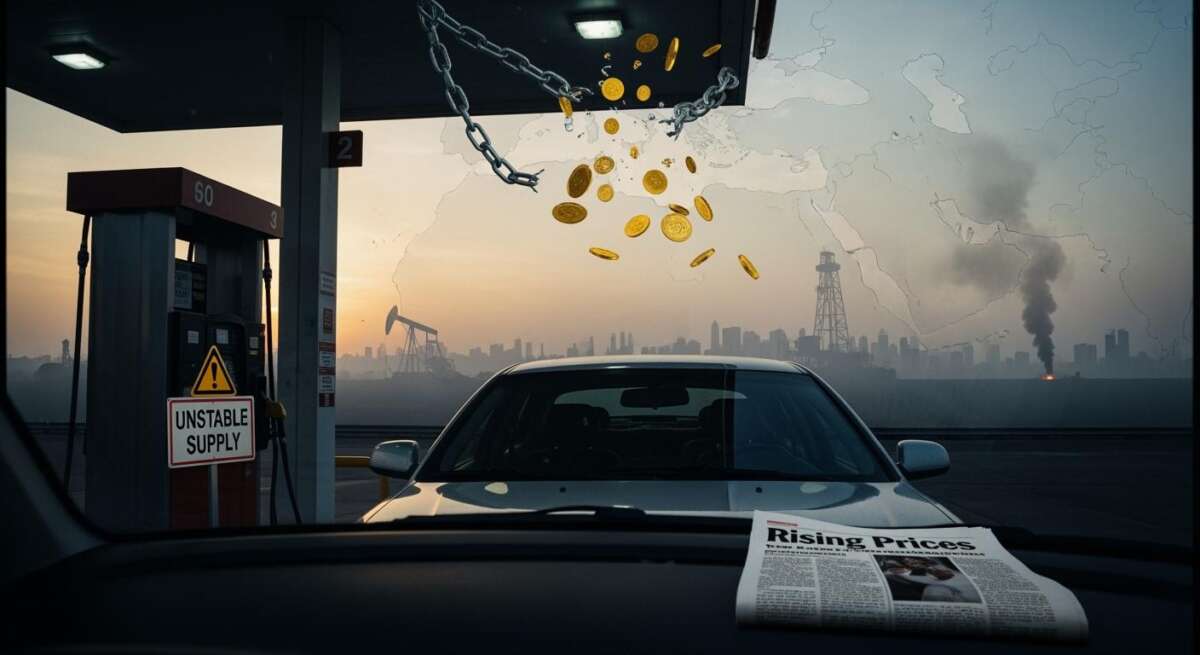
You pay more for cars when war in the Middle East stops oil supply. Oil price jumps make gas cost more and cars harder to buy. In the past, events like the 1973 oil embargo and the Iranian Revolution made oil prices double. This made it tough for people to afford cars. Look at the table below to see how oil price changes affect inflation and gas prices:
Statistic | Value |
|---|---|
Increase in gasoline price per $10 increase in oil price | |
Estimated increase at the pump | $0.12 to $0.14 per gallon |
Estimated increase in inflation per $10 increase in oil price | 0.2% |
You get fewer choices and higher prices when the market changes.
Key Takeaways
War in the Middle East can make oil prices go up. This means gas will cost more. Cars will also become more expensive.
When there is conflict, supply chains can get messed up. This can slow down how fast cars are made and delivered. It gets harder to find cheap cars.
People may have to move fast to buy cheap cars. There are fewer choices now. Prices are going up.
You can think about electric vehicles or hybrids instead. These cars can help you save money on gas when oil prices are high.
Keep learning about what is happening in the market. Check prices for new and used cars. This helps you find the best deals.
War in the Middle East and Oil Prices
Oil Supply Disruptions
You see how war in the Middle East can shake the world’s oil market. When conflict breaks out, countries worry about blockages in key places like the Strait of Hormuz. This fear causes oil prices to jump right away. You might remember big events from history that changed the oil supply and made prices soar. Here is a table that shows some of the most important moments:
Year | Event Description | Impact on Oil Supply |
|---|---|---|
1973 | Arab-Israeli War and OPEC embargo | Oil production cut to 25% of September levels, prices quadrupled from $2.90 to $11.65 per barrel |
1979 | Iranian Revolution | Oil output declined by 4.8 million bbl/d, prices more than doubled |
1990 | Iraqi invasion of Kuwait | Brief price spike due to invasion |
2011 | Libyan civil war | Surge in oil prices due to conflict |
You notice that these events do not always change how much oil the world can make or use. The market can handle short-term problems because other countries produce more oil and keep large reserves. Still, every time a war with Iran or a sustained Iranian conflict happens, you see prices rise quickly. This makes you pay more for gas and other goods.
Rising Fuel Costs
When oil prices go up, you feel it at the pump. The price of gas depends mostly on the cost of crude oil. Other things like refining, shipping, and taxes matter too, but oil is the biggest part. Here is what usually happens when conflict in the Middle East heats up:
In 1979, oil prices more than doubled because of the Iranian Revolution. Oil output dropped by 4.8 million barrels per day, which was 7% of the world’s supply.
The next year, the Iraqi invasion of Iran cut oil output even more, making prices surge again.
In 1990, the Iraqi invasion of Kuwait caused a quick spike in oil prices.
Even in recent years, you saw Brent crude oil prices rise by about 7.5% in just a few days when tensions increased.
You pay more for gas when these events happen. The price of gas goes up because crude oil costs more. When you fill up your car, you spend more money. This change makes you think about buying a car that uses less gas or even switching to a different kind of vehicle. The economy also feels the impact, as higher fuel costs can make everything more expensive.
Note: When you see news about war in the Middle East, you can expect the price of gas to rise. This affects your wallet and your choices when you shop for a car.
You can see that a sustained Iranian conflict or any major war in the Middle East can quickly change the price of gas and the cost of owning a car. You need to watch these events because they shape the market and your daily life.
Manufacturing Costs and Cheap Cars
Production and Transportation Expenses
You see how war in the Middle East can make it harder for car companies to keep costs low. When oil prices rise, factories pay more to run machines and ship parts. Mass production depends on steady supplies and cheap energy. If fuel costs go up, every step in the process gets more expensive. You notice that mass production lines need raw materials from many places. Shipping these materials uses a lot of fuel. When shipping costs rise, companies must spend more to move parts and finished cars. Mass consumption relies on affordable products, but higher expenses make it tough for companies to keep prices low.
You also see that carmakers often build vehicles in one country and sell them in another. This global system works best when fuel and transport costs stay low. If war disrupts oil supplies, you pay more for every car because companies pass those costs to you. Mass production and mass consumption both suffer when transportation becomes unpredictable.
Impact on Car Affordability
You feel the impact of these rising costs when you shop for a new car. Prices have gone up sharply in recent years. Here are some facts:
The average price of a new car has reached $48,205, which is a 21% increase from five years ago.
Nearly half of American car shoppers expect to pay $35,000 or less for a new car, but most new cars now cost much more.
Entry-level truck prices from major brands like Ford, Chevy, and Ram have increased by 24%, 32%, and 25% since 2019.
You also notice fewer affordable options. Automakers have removed many entry-level trim choices. This means you have fewer cheap cars to pick from. Mass consumption drops when fewer people can afford new vehicles. You see that more wealthy buyers now dominate the market. This shift makes it even harder for average families to buy a car. When mass production costs rise, companies focus on higher-priced models, leaving budget buyers behind.
Tip: If you want to buy a cheap car, you may need to act quickly or consider used vehicles. The market for affordable new cars keeps shrinking.
Supply Chain Disruptions
Parts Shortages
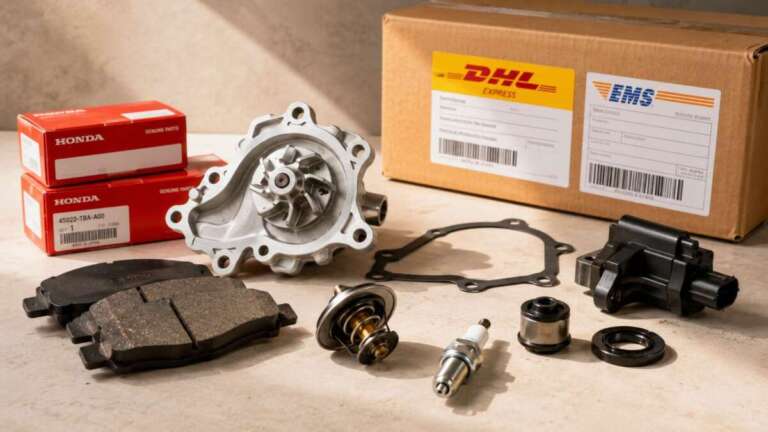
You notice that war in the Middle East does not just affect oil. It also disrupts the flow of car parts around the world. Many car parts come from or travel through this region. When ships avoid routes like the Strait of Hormuz, delivery times get longer. Costs for fuel and operations rise. Schedules become less reliable.
Automotive parts
Electronics and high-value goods
Pharmaceuticals and medical equipment
These items often face shortages when conflict blocks key shipping lanes. You see fewer parts on shelves and longer waits for repairs. Geopolitical tensions make it harder for factories to get what they need. This slows down car production everywhere.
“As this conflict keeps progressing, you’ll start to see some shortages, you’ll see some major price increases.” — Patrick Penfield, professor of supply chain practice at Syracuse University
Delays and Price Increases
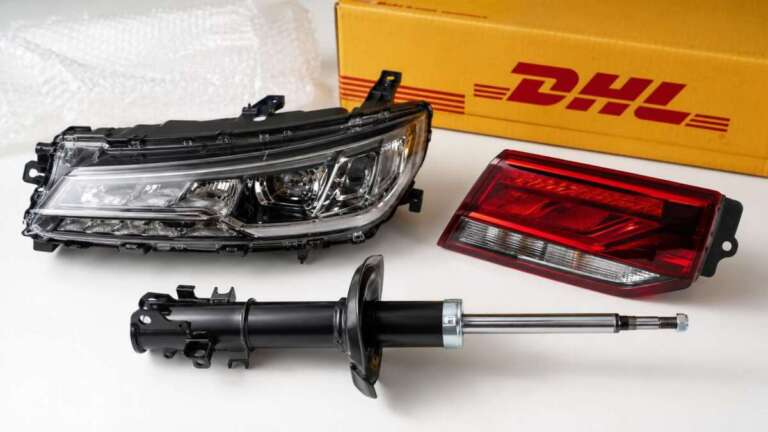
You feel the impact of these disruptions when you try to buy a car or get repairs. Shipping a single container of auto parts now costs over 40% more than it did in late 2024. Delays at major ports add weeks to the time it takes to build and deliver new vehicles. Automakers pass these higher costs on to you.
New tariffs on auto parts from Canada and Mexico could increase vehicle prices by as much as $12,000 per unit.
Automakers raise prices because they pay more for parts and shipping.
Fewer discounts and higher MSRP prices become common as delays continue.
You see that just-in-time inventory systems make things worse. When one part is missing, the whole production line can stop. This means you wait longer for your car and pay more when it finally arrives. Supply chain disruptions make cheap cars even harder to find.
Consumer Impact and the End of Cheap Cars
Higher Prices and Fewer Options
You notice car shopping is harder because of war in the Middle East. New car prices keep going up. There are not as many discounts now. Many cars sell for more than the sticker price. Car companies do not always say why prices rise or choices shrink. You have to guess the reasons yourself. This makes it tough to plan when to buy a car.
When car prices rise, the cost-of-living crisis gets worse. More people look for used cars, but those prices are also climbing. Cheap goods, like cars, are getting harder to find. You see fewer low-cost models at dealerships. This change affects your wallet and your choices.
Here is a table that shows how higher prices and fewer options affect you:
Evidence Type | Details |
|---|---|
New car prices are at record highs, so there are fewer deals. | |
Used Vehicle Demand | People want used cars to save money, but those cost more too. |
Consumer Price Index Contribution | New and used cars make up 9.2% of the US Consumer Price Index, which adds to inflation. |
Consumer Sentiment | 84% of Americans worry about rising prices, so they wait longer to buy big things. |
Financial Concerns | Higher costs and worries about a recession make people rethink buying cars. |
You see that inflation and a weak economy make people wait to buy cars. Many people delay or skip buying altogether. This means fewer cars are sold, which hurts the economy.
Tip: To save money, check all your options. Look at both new and used cars, and compare prices often.
Longer Wait Times
You also have to wait longer for new car, especially now. War in the Middle East slows down supply and delivery. Sometimes you wait months for your car to arrive. This can be hard if you need a car soon.
The table below shows average wait times for new cars during supply chain problems:
Region | Average Wait Time |
|---|---|
Global | Over 150 days (2nd half 2022) |
Europe | 60 to 70 days |
Japan | 2 to 5 months |
These delays happen in many places around the world. You need to plan ahead and be ready for delays. For example, higher prices, fewer choices, and long waits show why cheap cars may be ending.
Alternatives and Industry Response
Electric Vehicles and Market Shifts
Car companies are changing how they make and sell cars. Many are putting money into electric vehicles and new tech. They want to avoid problems from high oil prices and supply chain troubles. Some companies change parts to use less rare stuff. Others build factories closer to where people buy cars. This helps keep prices steady and stops delays.
Automakers are changing how they build cars. They use different supply chains and new materials. They work with other companies to help with costs. Some make cars without all the parts and wait for missing pieces, like during the chip shortage.
More people buy fuel-saving cars, hybrids, and EVs when gas costs more. EVs can go over 100 miles using only 25–40 kWh of electricity. This means you pay less for fuel. For example, a Tesla owner paid $62 for charging in one month. That is about the same as buying 15 gallons of gas at $4.20 each.
Evidence Type | Description |
|---|---|
Vehicle Shift | People buy more fuel-saving cars, like hybrids and EVs, when gas is expensive. |
Sales Impact | Studies show hybrid sales would be 40% lower if gas was $1 cheaper per gallon. |
EV Demand | EV sign-ups went up by 60% in early 2022 when gas prices rose. |
You also get tax credits and special deals. These can cut the price of a hybrid or EV by $400 to $4,000. New rules make gas cars cost more, so these deals help you save.
Tips for Car Buyers
You can save money if you follow some tips. Try these ideas:
Use online auction sites like DealerMatch and SmartAuction to sell your car. This helps you skip extra fees.
Put older cars online before they sit for 45 days. You might get a better price this way.
Sell cars with lots of miles online. You may find more buyers and get more money than at local auctions.
Tip: Always check both new and used cars. Pick fuel-saving models and look for tax credits.
Plan ahead and expect longer waits and higher prices. Shop early and be open to different choices. This helps you get the best deal even when things change.
War in the Middle East makes cars cost more. You have fewer choices when you shop. Supply chain problems and higher costs make new cars expensive. You wait longer to get a car. Cheap cars are harder to find now. Experts think you will look for used cars instead. The market splits, and some buyers cannot buy cars. People lose jobs, and local economies get weaker. Car companies have trouble with changing costs. You should learn about these changes. Try to look at fuel-saving cars or used cars. This can help you save money as things change.
FAQ
Why do car prices rise during war in the Middle East?
You see car prices rise because oil supply drops and fuel costs go up. Shipping and making cars costs more. Companies pass these costs to you. You pay more for both new and used cars.
How does a war affect the supply of car parts?
You notice delays and shortages. Ships avoid risky routes. Factories wait longer for parts. You may see this in longer repair times or fewer cars at dealerships.
Tip: Check with your dealer about part availability before you buy or repair a car.
Are electric vehicles less affected by oil price spikes?
You find that electric vehicles (EVs) use electricity, not gasoline. This means you avoid high fuel costs. However, EV prices can still rise if shipping or parts get delayed.
Vehicle Type | Impact from Oil Prices | Impact from Supply Chain |
|---|---|---|
Gasoline | High | High |
Electric | Low | Medium |
What can you do to save money when buying a car now?
You can:
Compare both new and used cars.
Look for fuel-saving models.
Ask about tax credits or rebates.
Shop early to avoid long waits.
These steps help you find the best deal in a changing market.
See Also
Exploring Investment Opportunities in Southeast Asia’s EV Sector