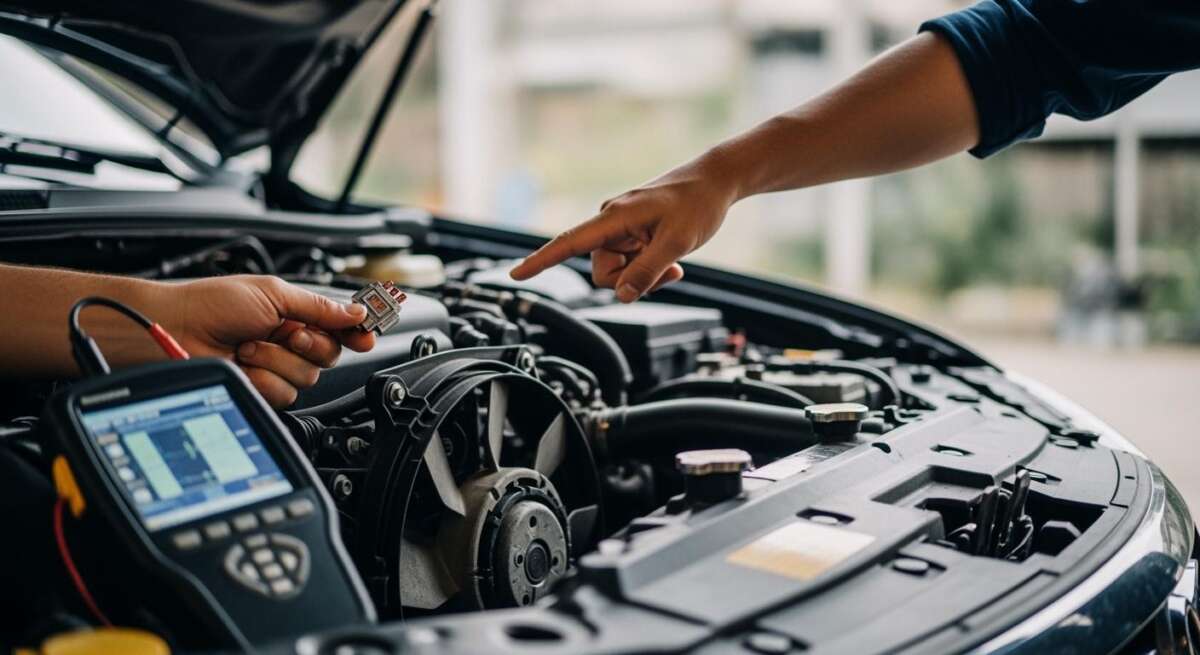
If you notice your radiator fan not working but fuse is good, it’s important to find out what’s causing the issue. Common reasons include a faulty relay, temperature sensor, wiring problems, fan motor failure, or issues with the ECM. Acting quickly is crucial, as your engine can overheat in a short amount of time.
Many drivers report their car overheating in just 10 minutes when the radiator fan is not working but fuse is good.
This problem can still occur even if you try running the AC.
Other causes, such as a broken temperature sensor, low coolant levels, or a malfunctioning fan clutch, can also lead to overheating.
For reliable Honda spare parts and expert assistance, you can count on Bravo Motor.
Key Takeaways
Look at the relay if your radiator fan does not work. A bad relay can stop the fan from turning on, even if the fuse is fine.
Check the temperature sensor. If the sensor is broken, it might not tell the fan to start. This can make the engine get too hot.
Look at the wires and connectors for any damage. Wires that are broken or connectors that are rusty can stop power from reaching the fan. This can make the fan not work.
How the Radiator Fan Works
Key Components
Many parts help the radiator fan work. The radiator fan sits close to the radiator. It cools the engine. The fuse keeps the fan safe from too much electricity. The relay is a switch that uses magnets. It controls the power going to the radiator fan. The relay makes sure the fan turns on only when needed. This is important when your car is not moving. The temperature sensor checks how hot the radiator gets. When the radiator gets hot enough, the sensor sends a signal. The ECM, or Engine Control Module, controls the radiator fan. It looks at data from sensors and tells the fan what to do.
The relay controls power to the radiator fan.
The temperature sensor checks heat and sends signals.
Activation Process
The radiator fan turns on when the radiator gets hot. The temperature sensor measures the heat. When the radiator is too hot, the sensor tells the ECM. The ECM checks information from the radiator, air conditioner, and engine speed. It sends a signal to the relay. The relay turns on the fan. The fan cools the radiator.
Here is a table showing when the radiator fan turns on:
Condition | Temperature Threshold |
|---|---|
Engine compartment fan activation | > 176 degrees F |
Coolant temperature activation | > 216 degrees F |
After ignition off, engine compartment | > 140 degrees F |
Fan activation after ignition off | > 185 degrees F |
The radiator fan works hardest when the radiator is very hot. The ECM checks the radiator temperature, air conditioner pressure, and engine speed. It sends signals to the fan to keep things cool. The fan stops the engine from overheating and keeps it safe.
Radiator Fan Not Working But Fuse Is Good: Causes
If you see your radiator fan not working but fuse is good, you need to check several parts. The radiator fan system has many components. Each one can fail and cause the fan to stop working. You can find the most common causes below.
Bad Relay
A bad relay is one of the most frequent reasons for a radiator fan not working but fuse is good. The relay acts like a switch. It sends power to the radiator fan when the engine gets hot. If the relay fails, the fan will not turn on even if the fuse is good.
You may notice these symptoms:
High temperature gauge readings
Unusual noises
Burning smells
Coolant leaks
Fan not turning on
Reduced air conditioning performance
Check engine light being on
You can check the relay by listening for a click when the engine heats up. If you do not hear a click, the relay may be bad. You can also swap the relay with another one of the same type. If the fan starts working, you found the problem. You can use a multimeter to check for voltage at the relay terminals. If you need a new relay, Bravo Motor offers quality replacement parts for Honda vehicles.
Tip: The cooling fan relay is the component that fails most often in the cooling fan circuit.
Faulty Temperature Sensor
The temperature sensor tells the ECM how hot the radiator is. If the sensor is faulty, the radiator fan not working but fuse is good can happen. The sensor may not send the right signal. The ECM will not turn on the fan. The engine can overheat.
You can check the sensor by measuring its resistance with a multimeter. If the readings are not correct, you need to replace the sensor. You can also unplug the sensor and see if the fan turns on. If the fan starts, the sensor is likely bad. Bravo Motor has reliable sensors for Honda cars.
The radiator fan depends on signals from the ECU. The ECU needs accurate readings from the coolant temperature sensor. If the sensor fails, the fan will not activate when needed. This can lead to engine overheating.
Damaged Wiring or Connectors
Wiring and connectors carry power to the radiator fan. If wires break or connectors corrode, the radiator fan not working but fuse is good can occur. You may see the fan not turning on, even though the fuse and relay are fine.
You can check for damaged wiring by:
Using a multimeter to measure voltage at the fan’s output terminals while the fan should be running
Checking for voltage at the fan connector; no voltage may mean a blown fuse, bad relay, or damaged wiring
Inspecting wiring and connections for signs of damage, such as broken or corroded wires
If you find damaged wires or connectors, you need to repair or replace them. Bravo Motor provides wiring and connectors for Honda vehicles.
Malfunctioning Radiator Fan Motor
A malfunctioning radiator fan motor can cause the radiator fan not working but fuse is good. The motor spins the fan blades. If the motor fails, the fan will not move. You may notice the fan not spinning, even though you hear the relay click.
You can check the motor by applying direct battery power to the fan. If the fan does not spin, the motor is bad. You can also check for voltage at the fan terminals. If you see voltage but the fan does not move, the motor needs replacement. Bravo Motor has high-quality fan motors for Honda cars.
Note: A malfunctioning radiator fan can cause engine overheating and damage.
ECM or Control Module Issues
The ECM controls the radiator fan. It uses data from sensors to decide when to turn on the fan. If the ECM fails, the radiator fan not working but fuse is good can happen. You may see the fan not turning on, even though all other parts are fine.
You can check the ECM by scanning for error codes with an OBD-II scanner. If you see codes related to the cooling system, the ECM may be the problem. You may need a professional to test or replace the ECM. Bravo Motor can help you find the right ECM for your Honda.
If you have trouble finding the cause, Bravo Motor’s staff can help you with expert advice and quality parts.
Cause | Symptoms | How to Check | Possible Fix |
|---|---|---|---|
Bad Relay | Fan not turning on, overheating | Listen for click, swap relay | Replace relay |
Faulty Temperature Sensor | Fan not activating, overheating | Measure resistance, unplug sensor | Replace sensor |
Damaged Wiring or Connectors | Fan not turning on | Use multimeter, inspect wires | Repair or replace wiring |
Malfunctioning Radiator Fan Motor | Fan not spinning, overheating | Apply battery power, check voltage | Replace fan motor |
ECM or Control Module Issues | Fan not turning on, error codes | Scan for codes, test ECM | Repair or replace ECM |
If you see your radiator fan not working but fuse is good, you need to check each part. You can fix most problems yourself. If you need help, Bravo Motor offers quality spare parts and expert support for Honda vehicles.
Troubleshooting a Malfunctioning Radiator Fan
Visual Inspection
Begin by looking at the radiator fan and radiator. Check the fan blades for cracks or chips. Look inside the radiator fill neck for oily spots. These spots can mean bigger problems. Check connectors and the fan for mineral build-up or corrosion. Clean off deposits with a soft-bristle brush. Make sure the fan shroud is in place and does not block air. Look for leaks, corrosion, or clogged fins on the radiator. Turn on the electric fan and listen for smooth, quiet sounds. Check the electrical harness and connections for damage. Try to do this check two times each year.
Testing the Relay and Fuse
You need special tools to test the relay and fuse. Use this table to get ready:
Tool | Description |
|---|---|
Digital Multimeter | Checks resistance and continuity in the relay. |
Jumper Wires | Connects power to the relay coil for testing. |
Power Source | A 9V battery works well for testing 12V relays safely. |
Relay Puller Pliers | Helps remove relays from fuse boxes without damage. |
Test the fuse first. If the fuse is good, check the relay next. Listen for a click when the radiator fan should turn on.
Checking the Fan Motor
Follow these steps to check the radiator fan motor:
Turn off the engine and let it cool.
Find the radiator fan motor and its relay.
Look for damaged or loose wires.
Use a multimeter to check voltage at the fan motor connector while the engine runs and the AC is on.
If you see no voltage, swap the relay with a similar one.
If the fan still does not work, bench test the fan motor directly.
Inspecting Wiring and Connectors
Check all wiring and connectors between the radiator fan, relay, and radiator. Look for broken wires, corrosion, or loose connections. Use a multimeter to test for voltage at different points. Fix or replace any damaged parts. Clean connectors to make sure they work well.
Testing the Temperature Sensor
The temperature sensor tells the radiator fan when to turn on. Use a multimeter to measure resistance at different temperatures. Compare your readings to this table:
Temperature (°F) | Resistance (k ohms) |
|---|---|
68 | 2.21 – 2.69 |
176 | 0.322 |
230 | 0.1399 – 0.1455 |
If your sensor does not match these numbers, replace it. Many car owners fix radiator fan problems themselves. If you need help or parts, Bravo Motor gives expert advice and quality choices for your Honda.
You need to check your radiator fan, relay, wiring, and temperature sensor right away if you see a problem. Waiting to fix things can make your engine overheat again and again. Your air conditioning may not work well if you wait.
Acting fast stops engine knock and misfiring.
Engine gets too hot
Consequence | Description |
|---|---|
Engine overheating | The radiator fan might stop, which can hurt your engine badly. |
A/C blows warm air | The fan helps the A/C, so it can blow warm air if the fan is broken. |
Warning lights are on | If the radiator fan is bad, warning lights can turn on in your car. |
Bravo Motor has good Honda spare parts and expert help. If your radiator fan still does not work, ask a professional for help.
FAQ
Why does my radiator fan not work even though the fuse is good?
You may have a bad relay, faulty sensor, broken wiring, or a failed fan motor. Check each part to find the problem.
Can I drive my car if the radiator fan is not working?
You should not drive your car. The engine can overheat quickly. This can cause serious damage.
Where can I buy quality Honda radiator fan parts?
You can visit Bravo Motor in Surabaya. The staff will help you find the right Honda spare parts for your car.
See Also
The Best Place to Find Authentic Honda Parts Online
Exploring Investment Opportunities in Southeast Asia’s EV Sector