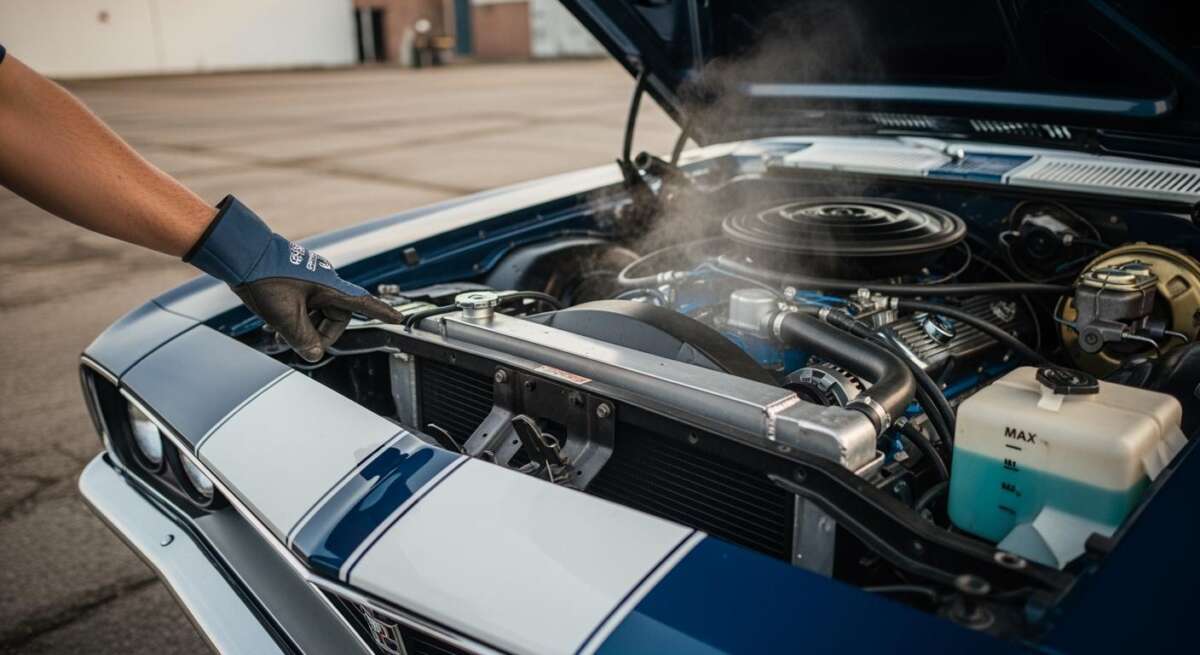
Yes, your car can still experience car overheating but coolant full. You might feel confused when you see the coolant at the right level but notice the temperature gauge rising. This situation happens more often than you think. Here are some reasons:
The engine may misfire or act up when the coolant temperature gets too high.
Tough driving conditions like heavy traffic or fast speeds can push your car’s limits.
Skipping cooling system maintenance can catch you off guard.
Don’t worry—solutions exist. Bravo Motor stands ready to help with high-quality Honda spare parts. Keep reading for practical steps and tips to protect your car.
Key Takeaways
Cars can get too hot even if coolant is full. This can happen because of hidden problems like a broken thermostat or weak water pump.
It is important to take care of your car often. Check the coolant, hoses, and radiator cap. This helps stop overheating.
If your engine gets hot, stop right away. If you ignore it, your engine can get badly damaged. Repairs can cost a lot.
Look for signs like steam or weird sounds. These can mean the cooling system is not working. It needs quick attention.
Ask a good mechanic or Bravo Motor for help. They can give advice and good parts. This keeps your car working well.
Why Does Car Overheating But Coolant Full Happen?
You might wonder why your car overheating but coolant full keeps happening. The answer often hides in mechanical faults that don’t show up right away. Even if you never see low coolant levels or obvious coolant leaks, your engine can still get too hot. Let’s break down some of the most common reasons.
Coolant circulation issues
Your car needs coolant to move smoothly through the engine and radiator. If something blocks this flow, the engine can’t cool down. Here are a few things that can cause circulation problems:
A weak water pump can’t push coolant where it needs to go.
Broken or clogged hoses stop the flow, even if you don’t see coolant leaks.
Sometimes, a faulty radiator cap lets pressure drop, which makes coolant boil and leads to overheating.
If you notice your temperature gauge climbing, don’t ignore it. Cooling system problems can get worse fast.
Blocked radiator passages
A radiator full of rust or debris can’t do its job. Blocked passages keep coolant from moving, so heat stays trapped in the engine. This is a big reason for car overheating but coolant full. You might not see low coolant levels, but the engine still gets too hot.
Clogged radiator tubes stop coolant from circulating.
Blocked passages prevent heat from leaving the engine.
Overheating is a direct result of these blockages.
Faulty thermostat
A faulty thermostat is a sneaky problem. If it gets stuck closed, coolant can’t flow into the engine. This makes the temperature rise quickly. You may see engine overheating even though you have enough coolant and no coolant leaks.
The temperature gauge might stay high all the time.
Sometimes, the thermostat fails and causes coolant to overflow.
If you suspect a faulty thermostat, Bravo Motor can help you find the right replacement for your Honda.
Air pockets in cooling system
Air pockets form when you add new coolant or after repairs. These bubbles block coolant flow and create hot spots in the engine. Even with a full system, air pockets can cause overheating.
Air disrupts coolant flow and confuses the thermostat.
Hot spots form in areas that need steady cooling.
Bleeding the system removes trapped air and helps prevent engine overheating.
If you’re not sure how to fix these issues, Bravo Motor’s team can help you diagnose and solve cooling system problems. You’ll find quality parts and expert advice to keep your car running cool.
Common Causes of Overheating Without Coolant Loss
You might think a full coolant tank means your car is safe from engine overheating. That’s not always true. Many hidden problems can make your engine run hot even when you don’t see leaks or low fluid. Let’s look at the common causes of overheating that often go unnoticed.
Bad radiator cap
A radiator cap does more than just seal the top of your radiator. It keeps the cooling system under the right pressure. If the cap gets weak or damaged, it can’t hold pressure. This lets coolant boil at a lower temperature and causes overheating. You may not see any leaks, but your engine can still get too hot. Swapping out a bad cap is a simple fix that can save you from bigger radiator issues.
Tip: If you notice steam or hear hissing after you park, check the radiator cap first.
Weak water pump
The water pump acts like the heart of your car’s cooling system. It pushes coolant through the engine and radiator. When the pump gets weak, it can’t move enough coolant. Heat builds up fast, and you might see warning lights or even steam from under the hood. Even with a full coolant tank, a weak pump can lead to overheating. If you hear whining noises or see leaks near the pump, it’s time for a checkup.
Cooling fan failure
Your cooling fan helps keep the radiator cool, especially when you’re stuck in traffic or idling. If the fan stops working, the radiator can’t get enough airflow. This is one of the most common causes of overheating without coolant loss. Nearly 30% of car breakdowns link back to cooling fan problems. A faulty fan can make your engine overheat quickly, even if everything else looks fine.
The fan is crucial when your car isn’t moving.
If you hear the fan running loud or not at all, it could be failing.
Cooling system problems often start with the fan.
Early head gasket issues
A head gasket keeps coolant and engine oil separate. When it starts to fail, you might not see leaks right away. Sometimes, coolant sneaks into the engine and burns off. This makes it hard to spot the problem. If you notice white smoke from the exhaust or keep losing coolant with no puddles, the head gasket could be the cause. Early head gasket issues can lead to overheating before you see bigger signs.
Clogged hoses
Hoses carry coolant between the engine, radiator, and heater core. Over time, dirt and debris can clog these hoses. When that happens, coolant can’t flow well. Hot spots form in the engine, and the cooling system loses power. Clogged hoses are a sneaky cause of overheating. You might not see leaks, but your engine can get too hot fast.
Clogged hoses block coolant flow.
Hot spots form in the engine and radiator.
Reduced cooling leads to engine overheating.
Electrical faults in cooling system
Modern cars use sensors and wires to control the cooling fan and other parts. If a wire breaks or a relay fails, the fan might not turn on. This can cause the engine to overheat, even if the coolant is full. Electrical faults can be tricky to find. If your temperature gauge acts strange or the fan doesn’t run, you might have an electrical problem.
Sensor malfunction
Sensors tell your car’s computer when to turn on the fan or open the thermostat. If a sensor sends the wrong signal, the cooling system won’t work right. The engine can get too hot before you even notice. A bad sensor can make the temperature gauge read low or high. If you see odd readings or warning lights, have the sensors checked.
Note: Regular checks can catch sensor problems early and help prevent engine overheating.
If you run into any of these issues, don’t wait. Quick action can save your engine and your wallet. Bravo Motor has the parts and advice you need to fix cooling system problems and keep your Honda running strong.
Can You Drive When Overheating?
You might wonder if you can keep driving when you see your car overheating but coolant full. The short answer is no, you should not. Driving with a hot engine can lead to serious engine damage very quickly.
When your car’s engine temperature starts to rise, you may not notice problems right away. Sometimes, the temperature gauge sits just above normal. In this case, you can keep driving for a short time, but you should watch the gauge closely. If the gauge moves between normal and hot, you need to pull over and let your car cool down for about 20 to 30 minutes.
If the engine temperature gauge gets close to the hot mark, you have very little time before engine damage happens. Most experts say you have about 30 to 60 seconds before things get bad. At most, you can drive about a quarter mile before risking major engine damage. That is not much time or distance.
Here’s what can happen if you keep driving with overheating:
The engine block can crack.
The head gasket can fail.
Pistons and cylinders can warp.
Coolant can boil over and cause more problems.
Tip: If you see steam, smell something sweet, or hear strange noises, stop your car right away. Waiting even a minute can mean expensive repairs.
Remember, engine damage from overheating can cost a lot to fix. It is always safer to pull over and let your car cool down. If you are not sure what to do, call for help or ask Bravo Motor for advice. Protect your engine and your wallet by acting fast when you see signs of trouble.
Diagnosing Overheating Causes
When your car starts to run hot, you want answers fast. You can figure out the cause of overheating with a few smart steps and the right tools. Let’s walk through what you can do before you call for expert cooling system repair.
Here’s a simple table to help you understand the main steps for diagnosing the problem:
Step | Description |
|---|---|
1 | Duplicate the overheating condition to confirm if your car is actually overheating. |
2 | Conduct a pressure test on the cooling system to check for leaks and make sure it holds pressure. |
3 | Check the operation of low-speed and high-speed cooling fan stages, especially when idling or in traffic. |
4 | Inspect the thermostat for proper function, since a sticking thermostat can block coolant flow. |
5 | Measure the temperature in the radiator to spot issues with the radiator cover or coolant flow. |
You can also try these quick checks:
Look at the radiator cover for a faulty pressure relief valve.
Measure the temperature difference between the inlet and outlet of the radiator.
Make sure the cooling fans work at both low and high speeds.
If you want to dig deeper, you can use some handy tools. Here’s what helps most with cooling system repair:
OBD-II scanners let you read error codes from your car’s computer.
Diagnostic software for engine analysis helps you spot engine faults.
Thermal imaging cameras show heat patterns and help you find hot spots.
You don’t have to do everything yourself. Sometimes, you need expert cooling system repair to find hidden problems. If you notice your engine temperature rising, or if you see warning lights, don’t wait. A trusted shop like Bravo Motor can help with expert cooling system repair and quality parts for your Honda.
Tip: Always check the radiator cover and fans first. These are common trouble spots and can save you time and money.
Diagnosing overheating early keeps your car safe and your engine healthy. If you need help, Bravo Motor’s team is ready to support you with cooling system repair and expert advice.
Repair Cost Estimates
You might wonder how much it costs to fix your car when you face overheating but the coolant is full. The answer depends on what is wrong with your car. Some repairs are simple and cheap. Others can get expensive, especially if the engine gets damaged.
Let’s look at a quick table to help you see the difference in repair costs:
Problem | Typical Cost Level | Common Industry Range* |
|---|---|---|
Hose or clamp replacement | Low | $50–$200 |
Radiator replacement | Medium | $300–$900 |
Water pump replacement | Medium | $400–$1,000 |
Head gasket repair | Very high | $1,500–$4,000+ |
Cracked engine block or cylinder head | Often not economical | Repair often exceeds engine value |
If you catch the problem early, you might only need a new hose or a radiator cap. These fixes usually cost less and keep your car running well. If you wait too long, the engine can get too hot. This can lead to a blown head gasket or even a cracked engine block. These repairs cost a lot and sometimes it makes more sense to get a new car.
Here are a few tips to help you save money:
Check your coolant level often.
Watch your temperature gauge when you drive.
Fix small problems before they turn into big ones.
If you need help finding the right parts for your Honda, Bravo Motor offers quality options for every budget. You can ask the staff for advice and get the best fit for your car.
Taking care of your car now can help you avoid high repair bills later. Stay alert and act fast when you see signs of overheating.
Prevention and Final Thoughts
You want your car to stay cool and run smoothly every day. Overheating can sneak up on you, but you can stop it before it starts. The best way to protect your engine is with regular checks and smart habits. If you catch small problems early, you avoid big repairs later.
Here’s a quick table to help you remember the most important steps for keeping your cooling system healthy:
Step | Description |
|---|---|
Clean Components | Clean fans, heat sinks, and air filters to keep air moving and your engine cool. |
Check for Leaks | Look for leaks and fix them right away to keep your cooling system working well. |
Replace Worn Components | Change out old or weak parts so your car stays reliable. |
Regular Inspections | Check hoses, clamps, and connections often to catch problems before they get worse. |
Coolant Quality | Make sure your coolant is clean and at the right level for the best heat transfer. |
Coolant Flush Intervals | Flush your coolant when your car’s manual says to keep the system running strong. |
Proper Coolant Mixture | Use the right mix of antifreeze and water for top performance and protection. |
You should also follow your car’s maintenance schedule. Most manufacturers suggest checking coolant levels, hoses, and belts every 12,000 to 15,000 miles. Don’t forget to test the thermostat and refill coolant as needed. These simple steps help your engine stay cool and last longer.
If you ever need help or want to make sure you use the right parts, Bravo Motor is here for you. You get expert advice and a huge selection of Honda spare parts. The team at Bravo Motor can answer your questions and help you find what your car needs.
Tip: Don’t wait for a warning light. A quick check now can save you from a big headache later.
Take care of your car, and it will take care of you. Stay ahead of overheating with regular maintenance and trusted support from Bravo Motor.
You should not ignore car overheating but coolant full. Waiting can cause big problems for your car. You might have to pay a lot to fix a seized head gasket. The cylinder heads can bend or the engine block can crack. Your car may need more repairs and not last as long.
Hidden faults are hard to find. If you do not know what to do, ask a trusted mechanic. Professional repairs are the best choice for these reasons:
Benefit | Description |
|---|---|
Accurate diagnosis | Finds out what is really making the engine overheat |
Safe handling | Keeps you and your car safe during the repair |
Reduced risk of future breakdowns | Fixes hidden coolant and engine problems so they do not return |
Bravo Motor has good Honda spare parts and helpful advice. Most overheating problems can be fixed, so act quickly to keep your engine safe.
FAQ
Why does my car overheat even with full coolant?
You might have a blocked radiator, a bad thermostat, or a weak water pump. These problems stop coolant from moving. Your engine gets hot fast. You should check these parts or ask Bravo Motor for help.
Can a faulty sensor cause overheating?
Yes! A bad sensor can send wrong signals. Your cooling fan may not turn on. The engine gets too hot. You should get sensors checked if you see strange temperature readings.
How often should I check my coolant?
Check your coolant every month. Look at the level and color. If it looks dirty or low, top it up or flush it. Clean coolant keeps your engine cool and safe.
What should I do if my car starts to overheat?
Pull over safely. Turn off the engine. Let it cool for at least 20 minutes. Do not open the radiator cap when hot. Call for help or contact Bravo Motor for advice.
Does Bravo Motor offer parts for all Honda models?
Yes! Bravo Motor stocks spare parts for many Honda models. You can find engine parts, hoses, thermostats, and more. The staff will help you pick the right part for your car.
See Also
The Best Source for Authentic Honda Parts Online
Exploring Investment Opportunities in Southeast Asia’s EV Sector