You might see bad radiator cap symptoms like overheating or coolant leaks. Hoses can collapse, and the reservoir might overflow. You may also see steam or air bubbles. These signs can hurt your engine and make driving unsafe. Bravo Motor sells trusted Honda spare parts. Act fast if you notice any of these symptoms.
Key Takeaways
Look for signs like the engine getting too hot or coolant leaking. These signs show a bad radiator cap that can hurt your engine.
Check your radiator cap often for cracks or other damage. A good cap keeps your cooling system under pressure and stops overheating.
If you see coolant spilling out or hoses that look squished, change the radiator cap right away. Fixing it fast can help you avoid expensive repairs.
How Radiator Cap Works
Pressure Control
The radiator cap helps your car keep the right pressure. It has a spring-loaded valve inside. This valve opens if the pressure gets too high. Most caps open at about 15 psi. When pressure goes up, extra coolant moves to the overflow tank. When the engine cools, coolant goes back to the radiator. This keeps the cooling system balanced. If the cap stops working, the system loses pressure. You might see leaks or overheating. The cap keeps coolant from boiling by holding steady pressure. Using a good radiator cap protects your engine from harm.
Bravo Motor sells quality radiator caps for Honda cars. You get real parts that fit your car’s cooling system. The Bravo Motor team helps you pick the right cap.
Cooling System Role
The radiator cap is small but very important. It keeps the cooling system sealed and stops coolant from leaking. You avoid overheating because the cap keeps the right pressure. The cooling system needs this pressure to work well. If the cap is broken, the system loses coolant. You might see the engine temperature go up. The cap stops coolant from evaporating. Checking the radiator cap often keeps your cooling system working well.
Tip: Always use a radiator cap that fits your cooling system. Bravo Motor has good choices for Honda cars.
The cooling system works best when all parts are in good shape. Regular checks keep your engine safe and your cooling system smooth.
Bad Radiator Cap Symptoms
When you see bad radiator cap symptoms, you can stop big engine problems. These signs help you find issues early and keep your car safe. Let’s check each symptom and what it means for your Honda.
Engine Overheating
You might see the temperature gauge go up fast. Overheating is a common sign of a bad radiator cap. The cap keeps the cooling system pressurized. If it breaks, coolant boils sooner. The engine overheats because the coolant cannot cool it well. Mechanics often find a bad radiator cap causes overheating. If the gauge turns red, stop driving and check the radiator cap.
If your engine overheats a lot, check the radiator cap. Bravo Motor sells real Honda radiator caps to help stop overheating.
Coolant Overflow
Coolant overflow happens when the radiator cap cannot control pressure. You may see coolant spill from the overflow tank. This means the cap does not let coolant go back to the radiator. Overflowing coolant can cause low coolant and overheating. Many drivers change the radiator cap to fix overflow problems.
Coolant overflow can harm other parts under the hood.
Check the cap if you see coolant outside the reservoir.
Bravo Motor sells quality radiator caps for Honda cars. You get the right fit and good performance.
Collapsed Radiator Hose
A collapsed radiator hose looks flat or squeezed. This happens when a bad radiator cap makes a vacuum in the cooling system. The vacuum pulls the hose in and makes it collapse. If the cap blocks coolant from returning, negative pressure builds up. Collapsed hoses can cause overheating and leaks.
Tip: If you see a collapsed hose, check the radiator cap first. Bravo Motor’s experts can help you find the right replacement.
Steam from Engine
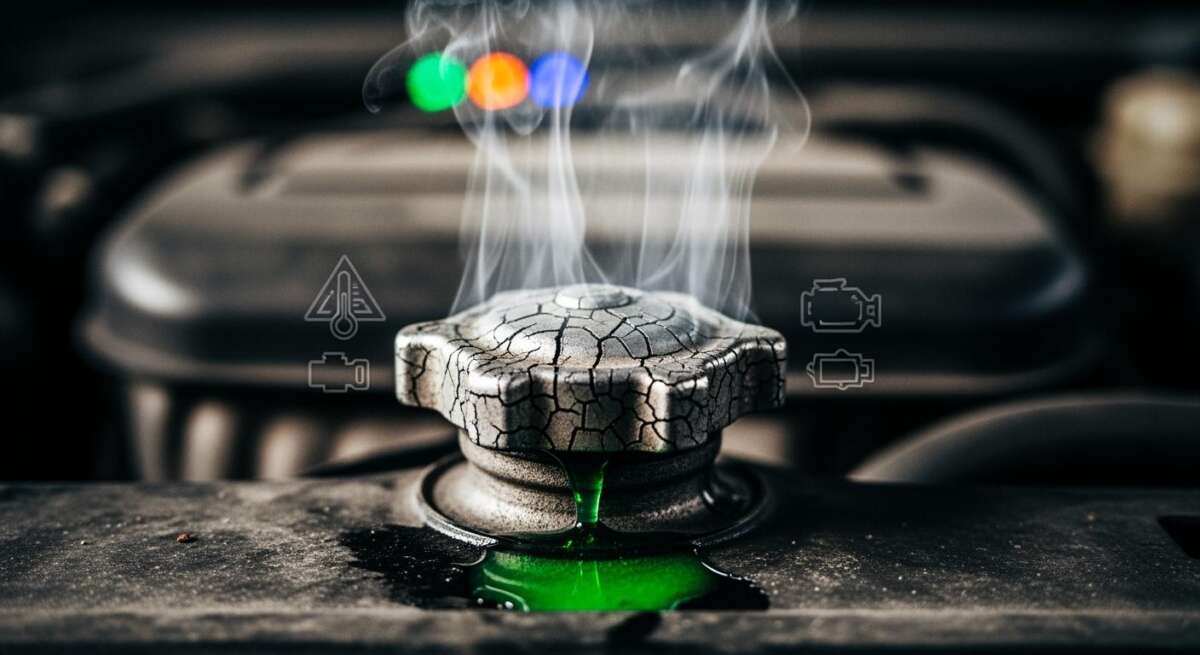
Steam from the engine means coolant is boiling. A bad radiator cap cannot hold enough pressure, so coolant boils and turns into steam. You may see steam under the hood or near the radiator. This is a clear sign of overheating and bad radiator cap symptoms.
Steam means the cooling system is not working right.
Stop driving and let the engine cool down.
Bravo Motor has radiator caps that keep your cooling system safe.
Low Coolant Level
Low coolant level is another sign of a bad radiator cap. The cap may leak or let coolant escape as steam. You might see the coolant level drop in the reservoir. Low coolant leads to overheating and can cause big damage. Drivers often notice low coolant when their radiator cap fails.
Note: Always check your coolant level before you drive. Bravo Motor sells real Honda parts to fix low coolant problems.
Air Bubbles in Coolant
Air bubbles in coolant show air is getting in the cooling system. A bad radiator cap lets air in, which makes hot spots in the engine. These air pockets lower cooling and can cause overheating. If air gets to the cylinders, it may cause engine damage.
Look for bubbles in the coolant reservoir or radiator.
Air bubbles are a sign of bad radiator cap symptoms.
Bravo Motor helps you fix air bubble problems with quality radiator caps.
If you see any bad radiator cap symptoms, act fast. You protect your engine and avoid expensive repairs. Bravo Motor is your trusted source for Honda spare parts in Surabaya.
Symptoms of a Leaking Radiator Cap
A leaking radiator cap can cause lots of trouble. It hurts your car’s cooling system. You need to find the symptoms early to keep your engine safe. Let’s see what signs you should look for.
Leaking Coolant
You might see coolant dripping near the radiator. This shows the radiator cap is leaking. The seal on the cap can get old or crack. Coolant escapes when the seal is damaged. You may spot rust or corrosion on metal parts close to the cap. If the rubber sealing ring is damaged, the cap is leaking. When you see these signs, check the cap right away.
Here’s a quick comparison of visual signs:
Type of Leak | Visual Signs |
|---|---|
Leaking Radiator Cap | Wear marks, rust or corrosion on metal parts, damage to the rubber sealing ring. |
Other Cooling System Leaks | Coolant puddles, overheating without signs on the radiator cap. |
Visible Fluid Around Cap
Fluid around the radiator cap means it is leaking. You may see wet spots or sticky stuff near the cap. This fluid can build up and make more leaks. If you see fluid, replace the cap with a real part.
Tip: Always use real radiator caps from Bravo Motor. Fake caps can let air into the cooling system. Air getting in causes contamination and cooling system problems. The cap must match the original pressure and venting specs.
Using the wrong cap makes the system work poorly.
Real caps keep your cooling system safe.
If you see signs of a leaking radiator cap, act fast. Bravo Motor sells real Honda radiator caps that fit your car and stop leaks.
Causes and Risks
Faulty Seal or Spring
Radiator caps can fail for a few reasons. The most common cause is a worn seal. Sometimes, the spring inside gets weak. If the seal is old, it cannot keep the system closed. A weak spring cannot hold enough pressure. These problems let coolant escape. The system loses pressure.
A leaking radiator cap can make coolant overflow.
Worn seals are a main reason for leaks.
Pressure Loss
A radiator cap has different parts that help control pressure. If one part breaks, you lose pressure. Here is what each part does:
Component | Function |
|---|---|
Spring | Keeps the pressure valve closed and holds pressure. |
Pressure Valve | Stops coolant from escaping and makes coolant boil later. |
Lower Sealing Gasket | Makes a tight seal to keep coolant in; if broken, pressure and coolant can escape. |
If the seal or spring fails, the cap cannot hold pressure. Coolant boils at a lower temperature. The system cannot cool your engine well.
Engine Damage Risk
Ignoring a bad radiator cap can hurt your engine. Losing pressure means losing coolant and overheating. Your engine may get damaged because the cooling system cannot work right. Sometimes, the cap does not release the vacuum. This can make the radiator hose collapse. A collapsed hose stops coolant flow and makes overheating more likely.
Tip: Always check your radiator cap if you see leaks or overheating. Acting fast keeps your engine safe.
What To Do Next
Immediate Actions
You need to act quickly when you spot bad radiator cap symptoms. Start by checking the radiator cap for cracks, dents, or corrosion. Look for signs of wear and tear. If you see damage, replace the cap right away. After you install a new cap, run your engine. Watch for any coolant leaks around the radiator. These steps help you stop bigger problems before they start.
Tip: Use genuine Honda radiator caps from Bravo Motor. You get the right fit and reliable performance.
Is It Safe to Drive?
Driving with a bad radiator cap puts your engine at risk. Low coolant can cause your engine to overheat. You might face severe damage, like pistons welding to cylinders or even engine failure. Blown head gaskets can happen, which show up as smoke from the engine or tailpipe. Some cars shut off the engine automatically if coolant gets too low. This can be dangerous if it happens while you drive.
Overheating leads to costly repairs.
Engine shutdown can leave you stranded.
When to Get Help
You should seek expert help if you notice coolant leaks, collapsed radiator hoses, or an overheating engine. These signs mean your cooling system needs attention. Bravo Motor offers expert advice and quality spare parts for Honda cars. Their team helps you find the right solution fast.
Note: Acting early keeps your car safe and saves money. Bravo Motor stands ready to help you with trusted parts and support.
Testing & Replacement
How to Test Radiator Cap
You can test your radiator cap at home or with a mechanic. Follow these steps to check if your cap works well:
Let your engine cool down completely. Remove the radiator cap and wash it with water.
Look at the cap’s pressure rating. Check the gasket for cracks or damage.
Attach the cap to a pressure tester. Pump the tester until the gauge reads one psi above the cap’s rated pressure.
If the cap does not reach this pressure, clean it and try again.
If the cap still fails to hold pressure, you need to replace it.
Testing helps you spot problems before they cause engine damage. A working cap keeps your cooling system safe.
Replacement Cost
Radiator cap replacement is one of the most affordable car repairs. Most radiator caps for Honda cars cost between $5 and $20, depending on the model and quality. You can find genuine and OEM options at Bravo Motor. Choosing the right cap saves you from bigger repair bills later. Labor costs are low if you do it yourself. If you ask a mechanic, you may pay a small service fee.
Installation Tips
Wait until the engine cools before removing the cap. Hot steam can burn you.
After installing the new cap, run your engine. Check for leaks or bubbling to make sure the seal is tight.
Dispose of the old radiator cap properly. Follow local recycling rules for metal and plastic parts.
Tip: Always use a radiator cap that matches your car’s specifications. Bravo Motor can help you choose the right one for your Honda.
You keep your engine safe if you find bad radiator cap symptoms early. Acting fast can help you save money on repairs.
Finding problems early stops your engine from getting badly damaged by overheating.
Fixing things soon costs less than waiting for big repairs.
You can trust Bravo Motor for real Honda parts and good help. Make sure to check your radiator cap often.
FAQ
How often should you check your radiator cap?
You should check your radiator cap every time you inspect your coolant level. Look for cracks, rust, or leaks to keep your cooling system safe.
Can you drive with a bad radiator cap?
Driving with a bad radiator cap can cause overheating. You risk engine damage. Replace the cap as soon as you notice any symptoms.
What type of radiator cap should you use for your Honda?
Always use a radiator cap that matches your Honda’s specifications.
Bravo Motor can help you find the right cap for your model.
See Also
The Best Source for Authentic Honda Parts Available Online
Exploring Investment Opportunities in Southeast Asia’s EV Sector